


 33 / 76

SUSTAINABILITY REPORT 2017
31
Solid Waste
Care is taken in the disposal of solid industrial
waste produced by our Cement Division
through its annual production cycle. Wooden
pallets, zinc and acrylic cladding sheets, old bag
filters, contaminated gloves and rags, used PPEs
(safety helmets, safety shoes, dust masks), used
industrial pollution control systems like filter
bags, hoses etc., spent greases, lubrication,
hydraulic oil, broken off belt conveyor rollers,
used and worn out conveyor belts, worn
out ducting, old kiln bricks, and hacked off
castables, are discarded in various ways that
are deemed environmentally-friendly.
Our Cement Division does not record the
weight of our solid waste as our focus is
primarily on minimising or eradicating waste.
Those industrial wastes which contain calorific
value are co-processed at the calciner.
Contaminated or mixed raw materials such as
gypsum and limestone with cement or clinker,
also regarded as waste, are put back into the
operations mix. Old basic and alumina bricks
are crushed at the limestone crusher and used
later as alternative raw material.
Recycling where we can, general waste is
usually separated and sold to a third-party
vendor for reutilisation. Wood waste is
donated to a nearby bricks manufacturing company and some of the waste components, including
spent oil, are incinerated during clinker production. Used bag filters, paper bags, torn jumbo and
pre-sling bags, old metal plates, etc. at CMS Cement Industries Sdn Bhd are sold as scrap.
At CMS Wires Sdn Bhd waste such as old metallic parts and old belt conveyors which can be sold
to a third-party are weighed. Waste iron oxide and scrap iron is sold to a local steel manufacturer.
In 2017, CMS Wires recycled 23.80 tonnes of scrap iron and iron oxide. Basic bricks are sold to
a recycling company.
A total of 3,698 litres of waste oil, spent lubricant and hydraulic oil, classified under SW421
was generated and subsequently collected by a licensed contractor in 2017. Cotton rags and
contaminated gloves were sent to Trienekens (Sarawak) Sdn Bhd, the operator of Sarawak’s
integrated waste management system, for proper disposal.
PPES Works (Sarawak) Sdn Bhd re-sells its leftover construction materials. It also re-uses
construction waste such as timber and formwork, as well as demolition waste or broken slabs.
Waste paper is recycled for internal photocopying and printing and waste from land clearing is
utilised as the base for an access road in a swampy area.
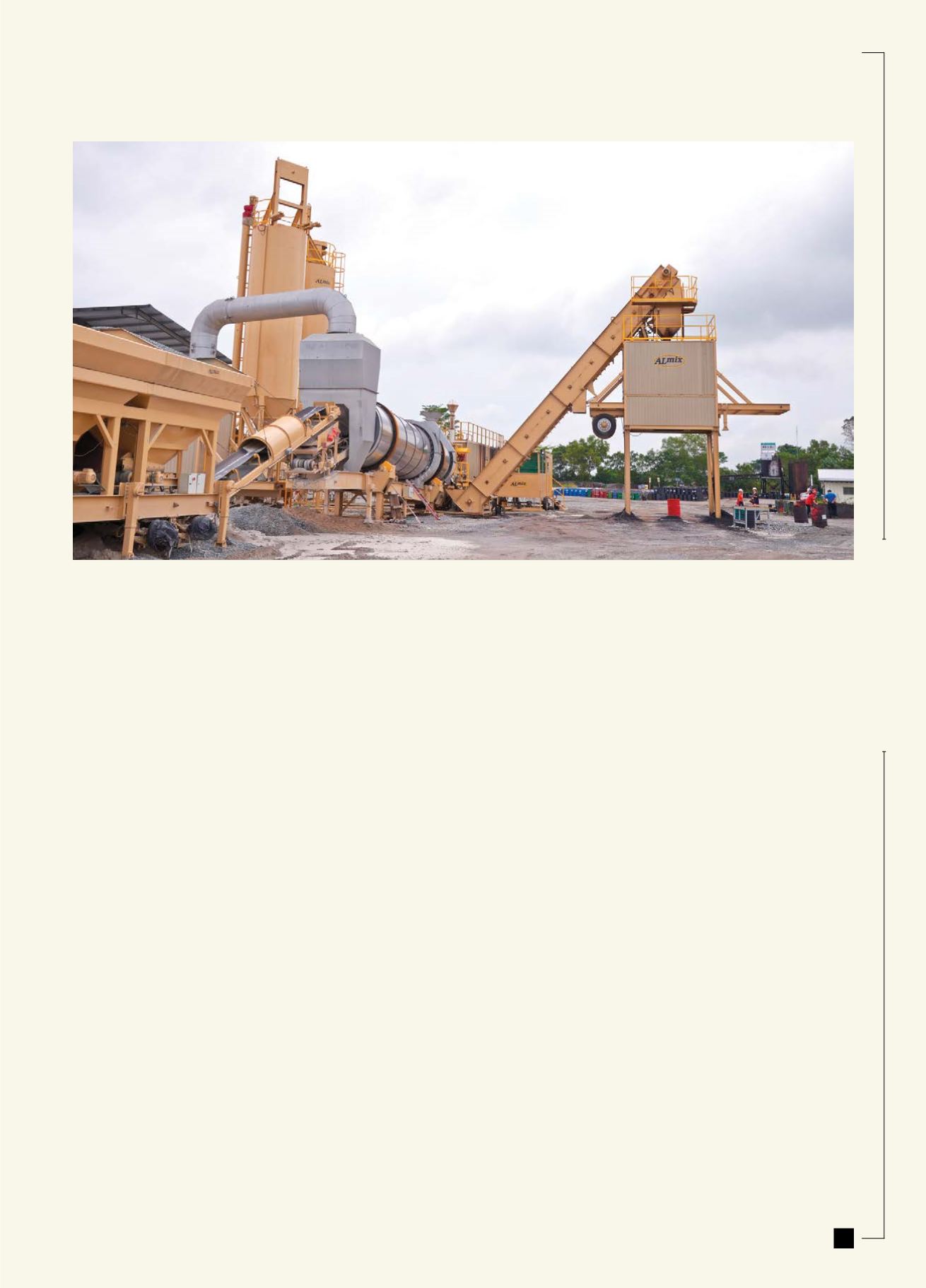
Recycling Capabilities for New Premix Plants
When the Group specifies and commissions new premix plants in the future, recycling capabilities
will be built into the design.
Scheduled Waste
Scheduled waste is any discarded solid, liquid or contained gas or material that can no longer
be used. As it is hazardous and is difficult to dispose of safely without special technologies and
facilities, we make it a point to ensure that all scheduled waste is discarded in compliance with
operational regulations. In 2017, some 9,000 litres (2016: 7,000 litres, 2015: 5,800 litres) of waste
oil, spent lubricant and hydraulic oil, classified under SW421 was generated and collected by the
Cement Division. All materials that had come in contact with the oil, such as contaminated gloves
and used cotton rags were also properly disposed of as well.
Environment