


 29 / 76

SUSTAINABILITY REPORT 2017
27
Energy Efficient Lighting
As part of our efforts to decrease the negative effect of toxic chemicals in the environment while minimising our operational costs, many of our
companies have been converting to energy-efficient lighting. LED bulbs have proved to be the most feasible option as they are energy-efficient,
have a long life and are free of toxic chemicals.
The Cement Division has implemented LED lighting at its grinding plant in Pending. The plant also strictly controls the starting of the 6kV motor,
choosing to kick-start the motor after a 30-minute lapse from the previous tripping or stoppage, following the plant’s conversion of motors from
DC to AC power.
The Construction Materials & Trading Division is using LED lighting for its main buildings having switched from 40-watt fluorescent tubes to 18-watt
LED tubes and from 18-watt saving lights to 9 and 12-watt LED bulbs.
CMS’ Property Development Division is using LED lighting in the common areas of many of its new properties such as the ongoing niche Rivervale
Residences project and The Isthmus river pontoon. We expect 30-40% less energy consumption for these LED lights in line with the product
manufacturer’s literature. The Division also uses LED bulbs in its general landscaping lighting and sodium lamps (which reduce energy) at its
construction sites.
Our efforts in implementing energy-efficient lighting extend beyond the changing of light bulbs, as is evident at our Samalaju Resort Hotel which was
built with a green concept in mind. The architectural design of the building employs substantial amounts of tempered glass panels to allow indirect
natural lighting into the premises. The hotel site was also deliberately designed to face the South China Sea to allow the wind off the sea to naturally
cool the premises and to reduce the solar heat. To facilitate long-term savings, energy-efficient lighting fixtures have been planned for the hotel from
the onset. The usage of LED lighting has translated into an estimated 50% cost savings to light up the hotel as compared to conventional lighting.
In 2017, 34 80-watt LED street lights were introduced at the Samalaju Eco Park Apartments. Furthermore, since the installation of two units of solar
lighting at the Eco Park Sales Gallery/Site Office in 2014 by Samalaju Properties Sdn Bhd, the 40W LED lanterns have been drawing RM35 per unit
per annum electricity bills.
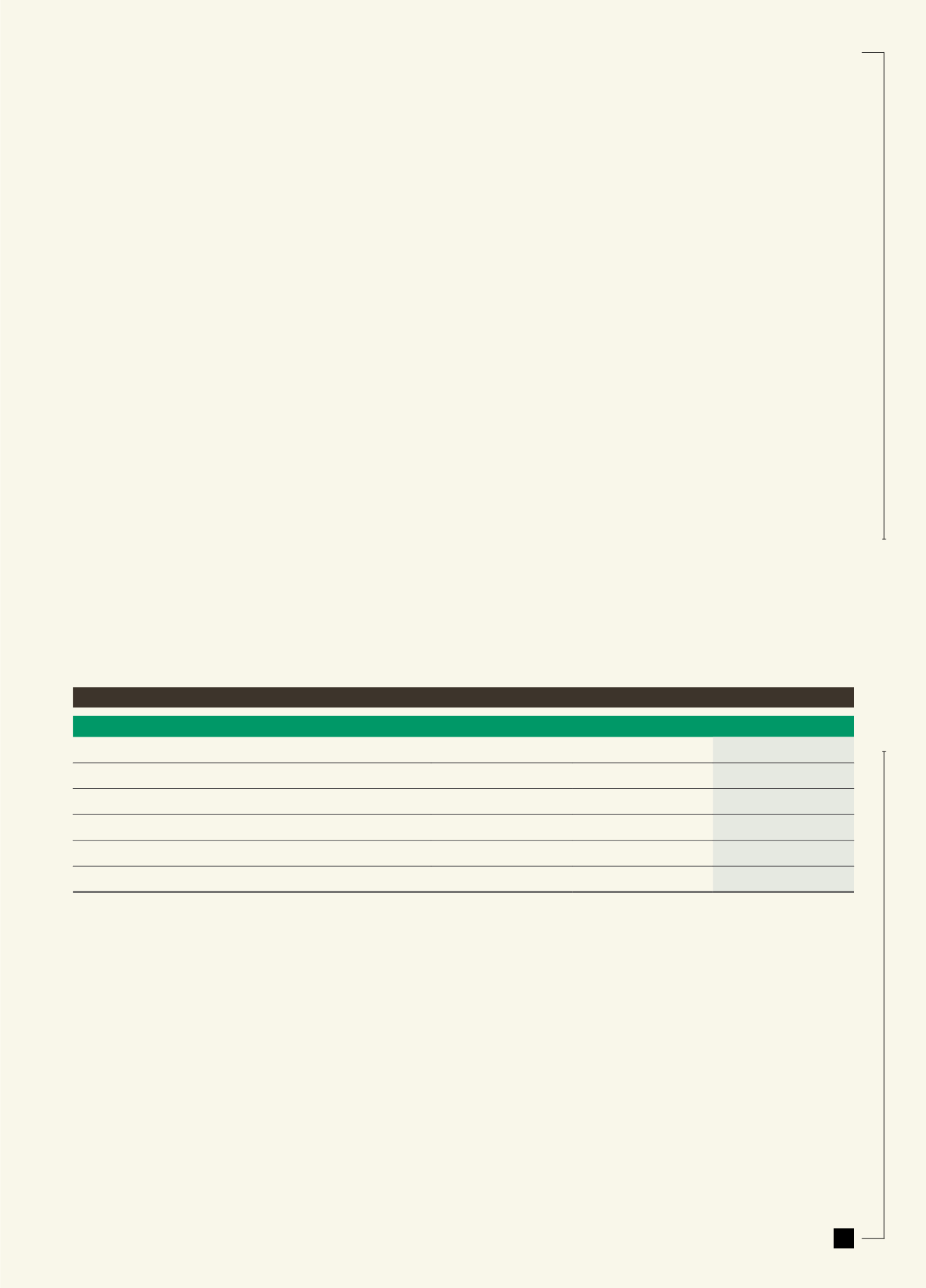
CMS’ Electricity Consumption
In line with the GRI requirements for Sustainability Reporting, the Group is required to submit its total energy consumption for the last three years.
This data is presented in the following table:
Electricity Consumption (kWh)
Division/Company
2015
2016
2017
Cement
129,166,315
133,144,504
128,054,580
Construction Materials & Trading
3,912,248
5, 582, 464
5,136,685
Construction & Road Maintenance
660,837
697,800
761,480
Property Development
171,074
209, 533
215,368
Samalaju Properties Sdn Bhd
1,915,639
1,226,612
1,788,606
Total
139,304,786
133, 765, 112
135,956,719
The increase in electricity consumption for the Samalaju Development Division in 2017 was due to higher occupancy by tenants at the Lodges.
The higher consumption of electricity by the Construction & Road Maintenance Division in comparison to 2016 was due to higher consumption
from the Sarawak Museum Campus project and due to the construction of the Pan Borneo Highway project (WP06) undertaken by PPESW BPSB
JV Sdn Bhd.
Environment