


 30 / 76

Cahya Mata Sarawak Berhad
28
The higher consumption of water by the Construction & Road Maintenance Division in comparison to 2016 was due to higher consumption from
the Sarawak Museum Campus project and due to the construction of the Pan Borneo Highway (Package WP06) undertaken by PPESW BPSB JV
Sdn Bhd.
The Samalaju Properties Sdn Bhd saw an increase in water consumption compared to the amount of water used in the previous year. This was due
to the growing number of tenants at the Samalaju Lodges, inclusion of the Eco Park Apartments, and supply of water to the construction site at
Samalaju Central. Samalaju Properties Sdn Bhd has since taken the following steps in its effort to conserve water:
• Organised a centralised laundry system to optimise and reduce water usage
• Undertakes periodic checking on water mains, water tanks, pumps to detect potential leakage
• Installed sub-meters to track consumption
• Undertakes routine checks to mitigate wastage of water, especially at washrooms
• Uses rainwater/reused water from natural ponds to water the plants
WATER MANAGEMENT
As water is a necessary and precious commodity, good stewardship
is imperative in order to maintain the long-term sufficiency of this
valuable resource that is essential to both economic and environmental
stability. At CMS, we have made it our goal to reduce water wastage
through the planning, developing, distributing and managing of our
water resources optimally.
Some of the water-saving initiatives we have implemented include the
reduction in the usage of treated water from the water board by using
an alternative source, as well as the maintenance and regular inspection
of the water circulating system.
The year 2017 saw a significant 14.5% decrease in water consumption
at the Cement Division compared to the amount of water used in the
previous year. A number of coordinated actions were taken to reduce
incidents of inlet pipe blockage or inefficiency at the water cooling
towers and heat exchangers in the bearings cooling systems including:
• The introduction of organic fouling dissolving solvent for the cooling
system heat exchangers
• The setting up of interval maintenance for the water cooling towers
• The usage of underground water
• Ensuring all water piping, pumps and tanks in the recycling cooling
water system are well maintained in order to avoid leakages
• Rain water harvesting initiatives for toilet flushing and plant watering
Using Recycled Water to Cool Machinery
CMS Quarries Sdn Bhd recycles water to cool its machinery. We have
two water ponds for this purpose that can store 2.43 m
3
and 3.3 m
3
of
water respectively.
Rainwater Harvesting Programme
Rainwater harvesting is the process of collecting rainwater with the
intention of reusing it on-site. In 2010, we began our Rainwater
Harvesting Programme at our clinker plant. Following a suspension of
the project, we relaunched the programme in 2016. Rainwater is now
collected for general use at the plant.
Environment
CMS’ Water Consumption
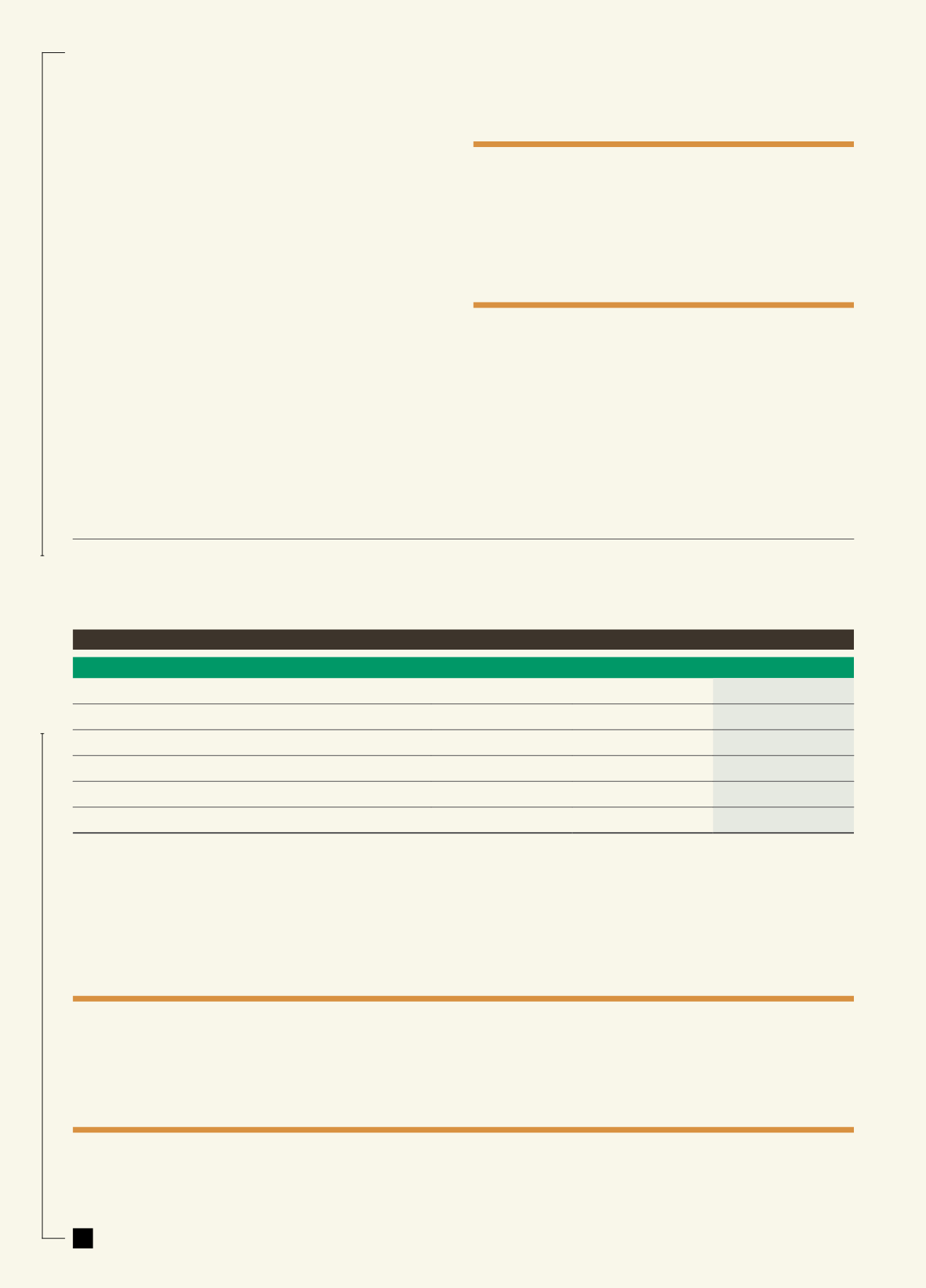
In line with the GRI requirements for Sustainability Reporting, the Group is required to submit its total water consumption for the last three years.
Water consumption by our Business Divisions for the last three years is presented below.
Water Consumption (m
3
)
Division/Company
2015
2016
2017
Cement
192,220
146,710
125,430
Construction Materials & Trading
30,730
60,096
59,971
Construction & Road Maintenance
4,615
3,470
4,135
Property Development
510
971
662
Samalaju Properties Sdn Bhd
57,763
175,067
262,950
Total
361,159
485, 544
453,148